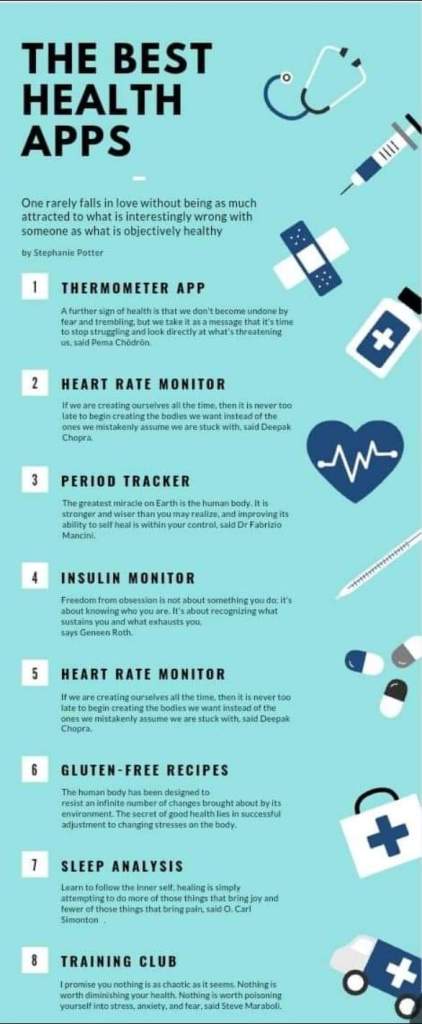
Health apps are application programs that offer health-related services for smartphones and tablet PCs.
Because they’re accessible to patients both at home and on-the-go, health apps are a part of the movement towards mobile health (mHealth) programs in health care. There are many varieties of health apps available for purchase from app stores. Some are designed to help consumers make healthier choices in their everyday life by offering advice about fitness or nutrition. Others help doctors and patients communicate from afar, like apps for diabetics that automatically sent glucose readings to their primary care physicians. Some apps are aimed at physicians themselves—many apps combine mHealth with electronic medical records (EMR), allowing doctors to keep accurate records that are easily accessible.
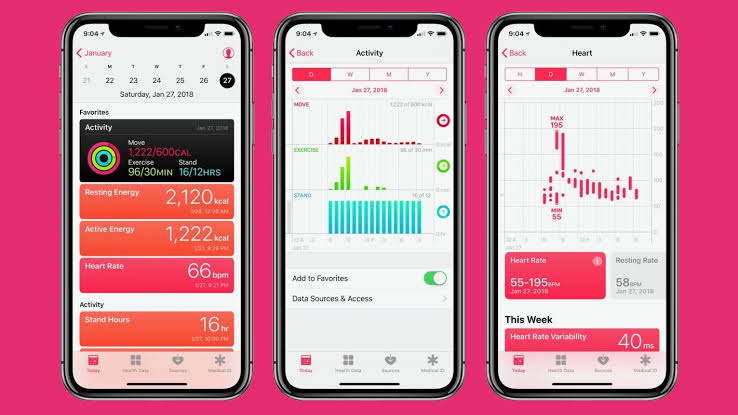
The benefits of health app
Health management apps that can 1) assist individuals in monitoring their own health conditions, such as heart disease, diabetes, pregnancy, mental health, and more, 2) allow healthcare providers to share and report on a patient’s personal health records remotely, and 3) help keep track of medications.
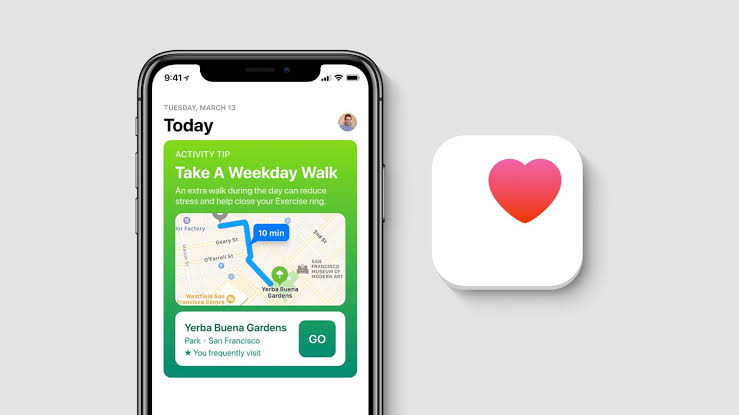
What is it’s importants
The goal of health apps is to make the experience of healthcare more efficient and satisfying for all stakeholders involved. Health apps are ultimately judged by their value to the healthcare system; their ability to improve the patient experience and patient outcomes as well as reduce the costs of care.




 Site Title